Water Damage Restoration in Fort Lauderdale — Same-Day Response, Every Time
Burst pipe, storm flooding, or a sewage backup — a Fort Lauderdale property doesn’t wait, and neither do we. IICRC-informed extraction and drying, straight talk about your insurance, and a written plan before we start.
24/7 Emergency Response
Licensed & Insured
Direct Insurance Assistance
Why speed matters
- Mold risk begins within 24–48 hours of water exposure.
- Fort Lauderdale sits ~9 ft above sea level — drainage is slow almost everywhere.
- The April 2023 storm dropped over 2 ft of rain in under 24 hours — it can happen again.
Why Does Fort Lauderdale Get Hit With Water Damage So Often?
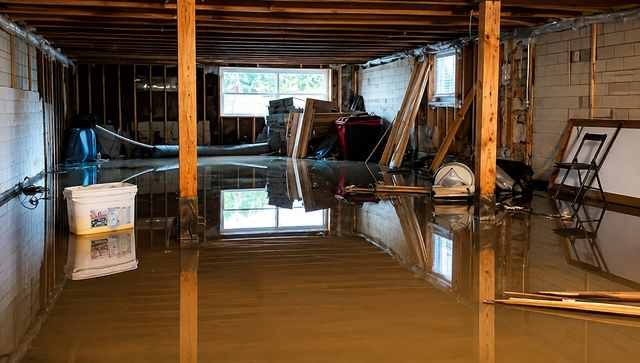
It’s not bad luck. Fort Lauderdale’s average elevation is about 9 feet above sea level, with some neighborhoods lower — that’s not much room for stormwater to drain before it backs up into yards, garages, and ground-floor living space. Add a subtropical wet season that regularly delivers extreme short-burst rainfall, direct exposure to hurricane storm surge, and a stormwater and sewer system with pipe runs dating back to the 1970s, and you’ve got a city where water damage isn’t a rare event — it’s a recurring one. On April 12–13, 2023, Fort Lauderdale recorded its rainiest day on record, with more than two feet of rain falling in under 24 hours. Neighborhoods including Edgewood, River Oaks, and Melrose Park took on some of the worst of it, with interior flooding in some homes exceeding 18 inches.
What Are the First Signs of Hidden Water Damage in My Home?
Water damage doesn’t always show up as a flood. Most of the jobs we get called out for started small and stayed hidden for weeks.
- A musty smell that wasn’t there before — usually the first sign.
- Paint that’s bubbling or peeling somewhere it shouldn’t be.
- A water bill that jumped with no obvious explanation.
- Walls or flooring that feel soft or give slightly when pressed.
- Dark spots or rings on the ceiling — those are water stains, not a texture issue.
Catch any one of these early and you’re usually looking at a repair. Wait, and you’re usually looking at a remediation.
What Should I Do in the First 24 Hours After Water Damage?
Stop the source if it’s safe to do so. Move what you can to a dry area. Photograph everything before you touch it, for your insurance file. Then call a restoration team — because the first 24 to 48 hours determine whether this stays a drying job or becomes a mold remediation job.
What Should You Actually Look For in a Fort Lauderdale Restoration Company?
Most companies will tell you they’re fast, certified, and trustworthy. Here’s what actually separates a good restoration job from a bad one — use this on any company you’re considering, including us.
A written scope before work starts
Not a verbal estimate that changes later.
A real explanation of water categories
A company that can tell you whether you have Category 1, 2, or 3 water — and why it changes the job — knows what they’re doing.
Photo documentation at every stage
So you and your insurance adjuster are looking at the same evidence.
Direct insurance coordination
Not a vague promise to “work with your insurance.”
A straight answer about what’s not covered
Most standard policies exclude flood damage and gradual leaks — we’ll tell you upfront.
What Does the Water Damage Restoration Process Actually Involve?
Phone Assessment
What happened, when, and where — so we bring the right crew and equipment.
On-Site Inspection
Moisture meters and infrared imaging map exactly how far the water traveled.
Category & Class ID
Contamination level and drying difficulty, per the IICRC S500 standard.
Extraction
Standing water and saturated materials removed first.
Structural Drying
Air movers and dehumidifiers set to specific, monitored moisture targets.
Cleaning & Treatment
Antimicrobial treatment and odor control where contamination is present.
Documentation
A full photo and moisture-log report for your insurance adjuster.
Final Walkthrough
Confirmed by moisture readings — not just by how it looks.
Example Restoration Scenarios
Sewage Backup After a Main Line Blockage
A ground-floor home experiences a backup through a bathroom drain after a city main blockage — common given Fort Lauderdale’s aging sewer infrastructure. Contaminated materials are removed, not dried; antimicrobial treatment and full documentation support the insurance claim.
Storm Surge Flooding During Hurricane Season
A home near a low-lying area takes on 6–10 inches of storm-driven floodwater. Extraction, Class 3 drying, and a full moisture map are standard, with documentation for what’s often a separate flood insurance claim.
A Slow Leak Behind a Wall, Caught Late
A musty smell and soft drywall patch, months after a slow supply-line leak started. Moisture mapping finds the full extent; selective demolition, drying, and mold remediation follow.
These examples describe how a typical job of each type unfolds — representative scenarios, not a specific past client’s file.
Real Testimonials, Coming Soon
Verified customer reviews will appear here as completed jobs come in. In the meantime, we’re happy to walk you through recent work by phone — (214) 286-6943.
Fort Lauderdale Water Damage Services
Where Do You Provide Water Damage Restoration Services?
We’re a Fort Lauderdale-based restoration team serving the city and surrounding Broward County communities, including neighborhoods with documented flood history like Edgewood, River Oaks, and Melrose Park. As a service-area business, we come to you rather than working out of a storefront — call and we’ll confirm coverage for your address before dispatch.
Oakland ParkWilton ManorsPlantationPompano Beach
Water Damage Restoration Questions, Answered
How much does water damage restoration cost in Fort Lauderdale?
It depends on the water category and affected square footage. Category 1 (clean water) mitigation runs about $3–$4.25/sq ft; Category 2 (gray water) runs $4–$6.50/sq ft; Category 3 (black water, including sewage and storm surge) runs $7–$12/sq ft for mitigation alone. Full reconstruction typically runs $20–$37/sq ft. Nationally, the average insurance claim for water damage is around $12,500. We give you a written scope with real numbers before any work starts.
Does homeowners insurance cover water damage in Florida?
Sometimes, and it depends heavily on the cause. A sudden event like a burst pipe is typically covered. Storm surge and rising floodwater generally are not — that requires separate flood insurance, often through the NFIP. Gradual damage, like a slow leak that went unnoticed, is also frequently excluded.
What’s the difference between a water damage category and a water damage class?
Category (1, 2, or 3) describes how contaminated the water is. Class (1 through 4) describes how much of the structure is affected and how hard it will be to dry, independent of contamination. Both come from the IICRC S500 standard and both affect the equipment and timeline for your job.
How long does it take for mold to start growing after water damage?
Mold can begin developing within 24 to 48 hours in the right conditions — Fort Lauderdale’s humidity makes that window even less forgiving. That’s why emergency response time matters more than almost anything else in this business.
Should I try to handle water damage cleanup myself?
For a small, contained spill on a hard surface, sure. For anything soaked into drywall, flooring, or insulation, professional extraction and moisture-mapping matters — DIY drying often leaves moisture trapped where you can’t see it, which is exactly what leads to hidden mold later.
Do you work with my insurance company?
Yes. We document every job with photos and moisture logs formatted for insurance claims, and we can speak directly with your adjuster. We’ll also tell you upfront if we think part of the damage may not be covered.
Water Damage Restoration of Fort Lauderdale
IICRC-informed water extraction, structural drying, sewage cleanup, and mold remediation across Fort Lauderdale and Broward County. Licensed and insured. Available 24/7.
- Phone
- (214) 286-6943
- Service Area
- Fort Lauderdale, FL & Broward County
- Availability
- 24/7 Emergency Response